
 简体中文
 English

Tool Management in the Mold Shop Begins with Every Checkout
2026-10-13
Tool management is an unavoidable issue in mold processing. Machining a single hot forging die may involve dozens of types of milling cutters, drill bits, taps, and inserts, while the repair of drilling screws requires even more frequent replacement of carbide cutting tools. CNC operators need to be familiar with systems such as Fanuc, Siemens, and Mitsubishi, giving the company a solid technical foundation. But in tool management, if the company still relies on open tool racks and paper logs, it will face three unavoidable problems.
Tool whereabouts are uncontrollable. A single high-end carbide tool costs hundreds to more than a thousand yuan. Once lost, it cannot be traced, and the annual loss can add up significantly.
Tool life is judged by experience. Operators decide when to change tools based on feel. Changing too early wastes remaining tool life; changing too late may scrap the mold workpiece. For a company machining hot forging dies, the loss from a single edge chipping far exceeds the value of the tool itself.
Inventory data lags. Manual counting is time-consuming and produces delayed results, leaving purchasing decisions without a real-time basis.
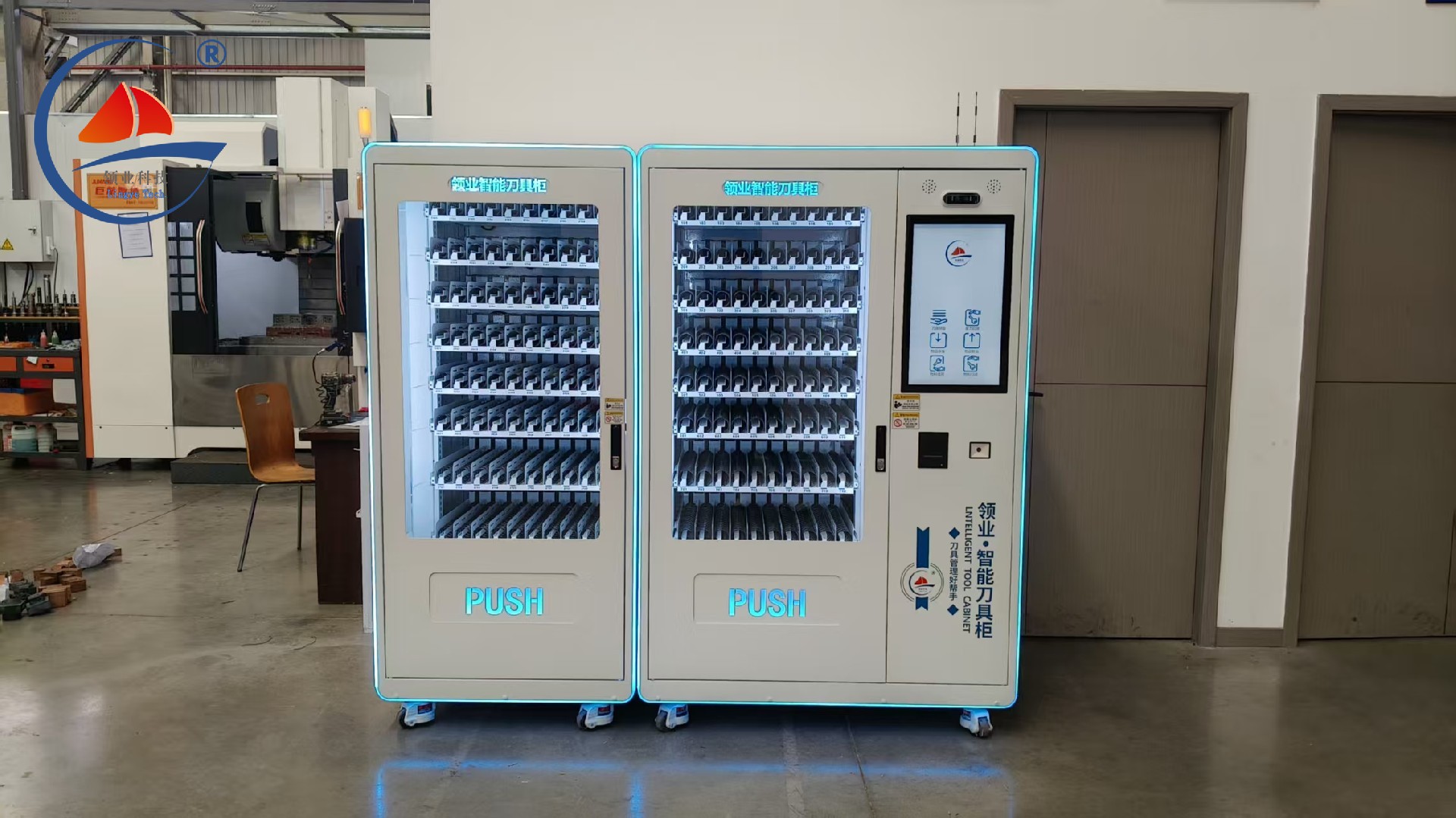
Smart tool cabinets solve exactly these problems. Operators take tools by themselves via facial recognition or QR code scanning. The system automatically records the user, time, and tool ID. A single checkout is reduced from several minutes in the traditional model to about 10 seconds, with 24/7 unmanned operation. The cabinet’s one-tool-per-slot, enclosed, dust-proof design is particularly suited to the machining workshop environment—dust and oil mist are invisible killers of precision cutting edges.
The deeper value lies in data. When every tool checkout and return is recorded, tool consumption can be analyzed by process, machine, and operator. For a company operating both mold production and part machining, this means accurately calculating tool costs for each business line and providing a basis for quoting and production scheduling. Industry data shows that after deploying smart tool cabinets, small and medium-sized mold shops can save RMB 120,000 to 180,000 annually in labor, tooling, and scrap costs, with a payback period of about eight months.
The digitalization of tool management is not an all-at-once revolution, but a gradual upgrade that starts with recording every checkout. For mold manufacturers with a solid technical foundation and diversified businesses, smart tool cabinets offer a practical, low-barrier path into lean management.